• Home
  • Overview of the Center
    • Introduction
    • Organization Structure
    • Current Leaders
    • Former Leadership
  • Signature Project
    • Chinese General Social Survey(CGSS)
    • China Education Panel Survey(CEPS)
    • Renmin University China Development Index (RCDI)
  • Data Resources
    • Chinese National Social Survey Data Archive (CNSSDA)
    • China Social Science Data,RUC(CSSD)
  • Research Findings
    • Reports and Monographs
    • Think Tank Special Issues
  • Services and Partnerships
    • DataBee Cloud Telephone Survey Platform
    • Public Survey Data Platform of Renmin University of China
    • Chinese Social Survey Network(CSSN)
    • Collaboration and Contact
    • Survey APP Download

    Research Findings

  • Reports and Monographs
  • Think Tank Special Issues
Home > Research Findings > Reports and Monographs

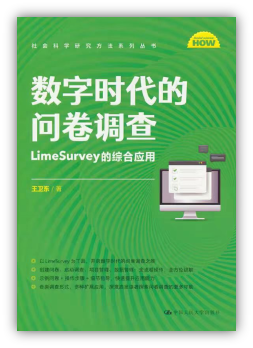
《Questionnaire Surveys in the Digital Age:Comprehensive Application of LimeSurvey》

by Wang Weidong

Abstract: This book examines how survey research can move beyond traditional paper-and-pencil methods in the digital age by adopting LimeSurvey, a widely used global survey platform, to conduct electronic, web-based, and systematized survey projects. It provides a comprehensive and systematic introducation to creating and optimizing electronic questionnaires, launching survey projects, and managing both survey operations and survey data within LimeSurvey. The book highlights key techiniquesand practical considerations for applying LimeSurvey to real-world survey projects and further explores how the system’s strengths can be leveraged across various modes of dataa collection—including face-to-face surveys, telephone surveys, online surveys, and mixed-mode surveys, in an increasingly networked and digital environment. By presenting innovative application scenarios and emerging directions, the book demonstrates the versatility and flexibility of LimeSurvey.

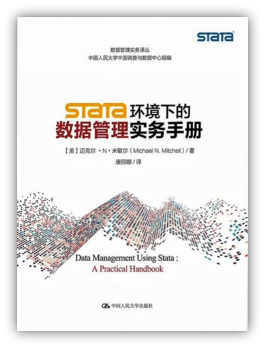
《Data Management Using Stata:A Practical Handbook》

Translated by Tang Lina

Abstract: Data management is a critical stage situated between raw data collection and statistical analysis, and it encompasses some of the most challenging aspects of the analytical process.. This book demonstrates the role of Stata in data management—not merely its strengths in statistical analysis. The chapters, and even most subsections within each chapter are designed to stang alone. Each part focuses on a specific data management task and provides concrete examples illustrating how to implement that task in Stata. This structure allows the book to be used in two ways: readers may select individual chapters for targeted learning, or they may approach the content from a task-oriented perspective to quickly find the guidance they need.

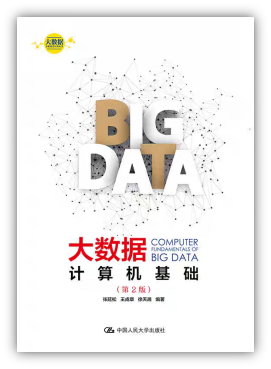
《Computer fundamentals of Big Data》

By Zhang Yansong, Wang Chengzhang, Xu Tiansheng

Abstract: This book aims to provide a foundational layer of computing technology for master's students in applied statistics specializing in big data analysis. Developed within a collaborative innovation platform involving five universities, the book focuses on the core technical competencies required for big data analysis and integrates three major compotents: operating systems, programming languages, and databases. Throug the Python toolchain, it offers end-to-end training in data acquisition, processing, and visualization, while platforms such as MySQL strengthen data management skills. Emphasizing the integrationm of theory and practice, the book includes applied case studies designed to support teaching in statistical analysis and big data technologies.

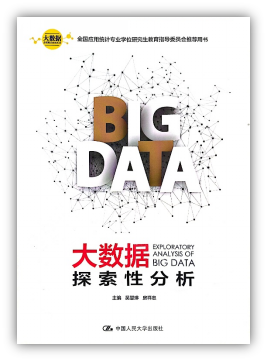
《Exploratory Analysis of Big Data》

By Wu Yilin and Fang Xiangzhong

Abstract: This book addresses the data-processing demands of the big data era, and focuses on the training needs of applied statistics master’s students. It integrates classical statistical theory with the characteristics of big data to construct a coherent knowledge framework. Organized around the logic of data processing, the book systematically explains key techniques such as sampling methods, outlier detection, and variable selection, and covers both univariate and multivariate data visualization. It further extends to high-dimensional data, spatial data visualization, and principles of graphic optimization. Through case-based demonstrations, the book presents the full workflow of exploratory data analysis and introduces spatial analytical methods such as space-time scanning and regression modeling, while emphasizing the application of programming languages in data practice. The content is suitable for master's students in statistics, and professionals from related fields engaged in data analysis.

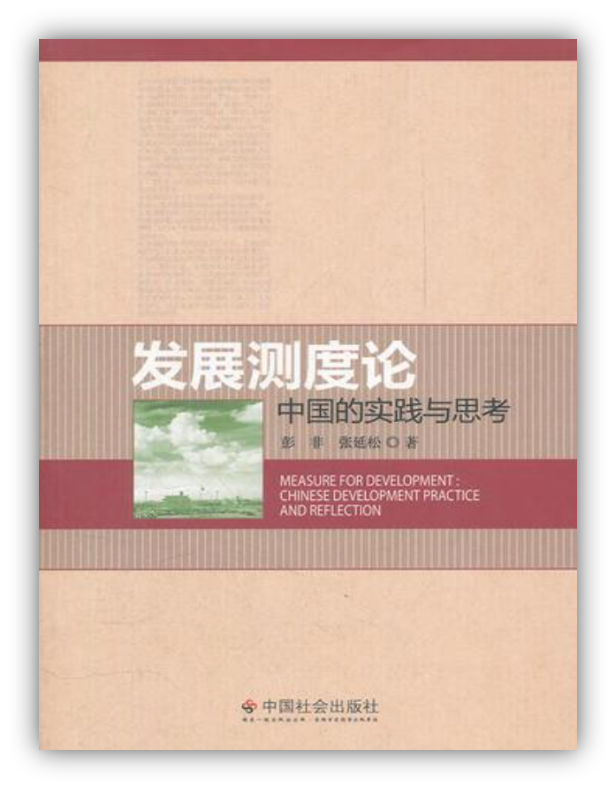
《Development Measurement Theory: China's Practice and Reflections》

By Peng Fei and Zhang Yansong

Abstract: This book traces the evolution of classical theories of development, outlines the historical progression of major approaches to development measurement , and provides a systematic discussion of the statistical methods used in development assessment. It ultimately proposes an improved model of the index power function and presents the indicator system for Renmin University of China Development Index (RCDI) as a methodological recommendation for measuring development.

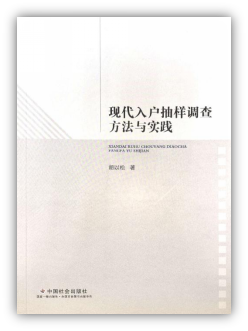
《Modern Household Sampling Methods and Practices》

By Hu Yisong

Abstract: Household sampling surveys, as an important method of data collection, are widely used in areas such as socail research, economics, health, and environmental studies. The organizational structures and project management approaches required for implementing household sampling surveys differ significantly from those used in other types of surveys. This volume consists of nine chapters and covers a range of topics, including an overview of household sampling survey methods, introductions to several commonly used sampling methods, and computer-assisted personal interviewing(CAPI), etc.

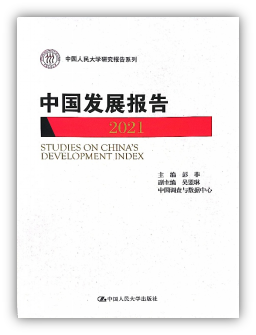
《China Development Report——Studies on China’s Development Index》

Edited by Peng Fei, Wu Yilin, et al.

Abstract: The China Development Report presents an evidence-based overview of China’s development using, objective data and rigorous scientific methods. The report primarily examines and analyzes the well-being of the Chinese population across multiple dimensions, including health, education, living conditions, and the social environment. The 2020 findings show continued improvements in,people's livelihoods, with citizens reporting stronger sense of gain and happiness, alongside a steady rise in China’s competitiveness in foreign trade. The report also provides an in-depth account of changes in economic development and urban governance under the COVID-19 pandemic, as well as analysis of aging-related issues such as the development of elderly human capital and shifts in family ecology. By offering an academically grounded assessment of China's development trajectory, the report provides valuable insights for promoting high-quality development in the country.

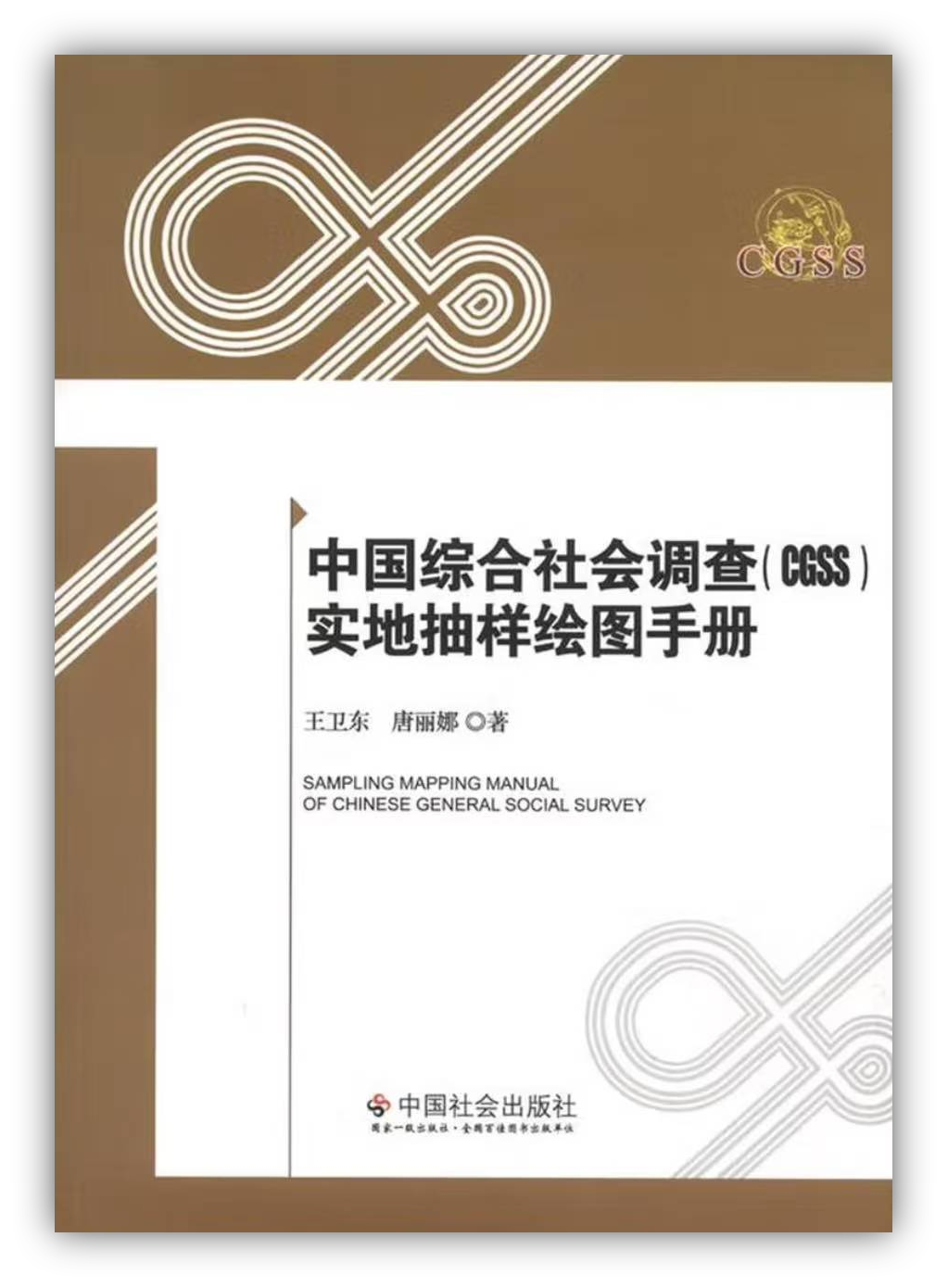
《Sampling Mapping Manual of Chinese General Social Survey(CGSS)》

By Wang Weidong and Tang Lina

Abstract: This Sampling Mapping Manual serves as the on-site operational guide for the second phase of the Chinese General Social Survey covering the period from 2010 to 2019. The Manual is comprehensive and highly practical, offering detailed instructions for field implementation. The volume consists of fourteen chapters, which include: an introduction to the project background, the organizational structure and workflow of the 2010 CGSS; key terminology, preparatory procedures; mapping rules and technical specifications; and guidelines for producing field-based sampling maps.

《Chinese General Social Survey Report》

By Project team of Chinese general social survey

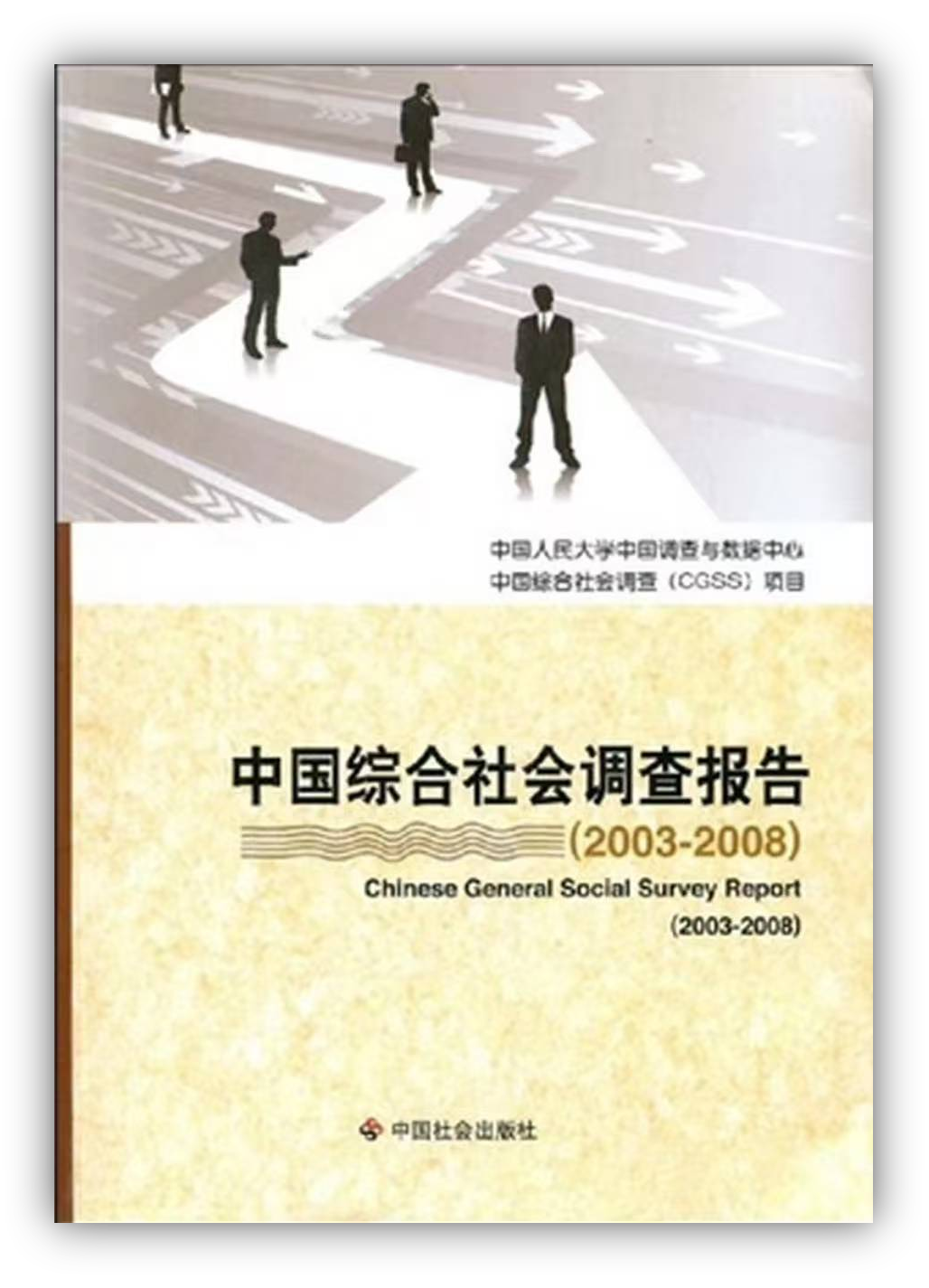
Abstract: The China General Social Survey(CGSS) is the first nationwide, comprehensive, and continuous large-scale social survey program in China. Con ducted annually, the survey covers respondents across 28 provinces, autonomous regions, and municipalities, spanning 125 counties (districts), 500 townships (sub-districts), 1000 village or residents’ committees, and 10000 households. It collects scientific, systematic and longitudinal data on Chinese people’s work, life, behaviors, values and attitudes. The CGSS documents the trajectories and trends of social change in China and provides a solid empirical foundation for cross-national comparative research.


  • 1
  • 共1条/9条

    Overview of the Center

  • Introduction
  • Organization Structure
  • Current Leaders
  • Former Leadership

    Signature Project

  • Chinese General Social Survey(CGSS)
  • China Education Panel Survey(CEPS)
  • Renmin University China Development Index (RCDI)

    Data Resources

  • Chinese National Social Survey Data Archive (CNSSDA)
  • China Social Science Data,RUC(CSSD)

    Research Findings

  • Reports and Monographs
  • Think Tank Special Issues

    Services and Partnerships

  • DataBee Cloud Telephone Survey Platform
  • Public Survey Data Platform of Renmin University of China
  • Chinese Social Survey Network(CSSN)
  • Collaboration and Contact
  • Survey APP Download
中国调查与数据中心官方微信公众号

版权所有©2025中国人民大学中国调查与数据中心 京公网安备110402430004号 京ICP备05066828号-1

  • Overview of the Center
    • Introduction
    • Organization Structure
    • Current Leaders
    • Former Leadership
  • Signature Project
    • Chinese General Social Survey(CGSS)
    • China Education Panel Survey(CEPS)
    • Renmin University China Development Index (RCDI)
  • Data Resources
    • Chinese National Social Survey Data Archive (CNSSDA)
    • China Social Science Data,RUC(CSSD)
  • Research Findings
    • Reports and Monographs
    • Think Tank Special Issues
  • Services and Partnerships
    • DataBee Cloud Telephone Survey Platform
    • Public Survey Data Platform of Renmin University of China
    • Chinese Social Survey Network(CSSN)
    • Collaboration and Contact
    • Survey APP Download