News
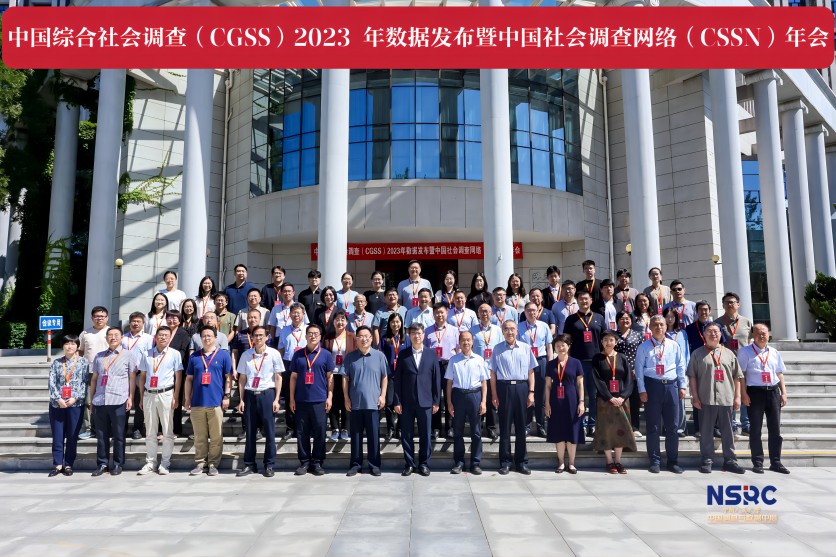
Chinese General Social Survey (CGSS) 2023 Data Release and Annual Meeting of the Chinese Social Survey Network Held
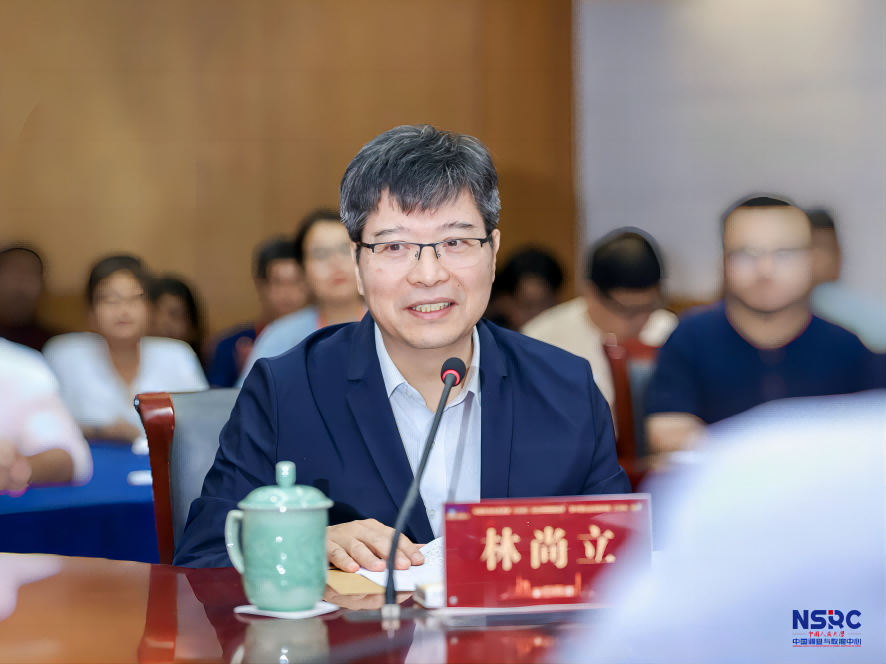
On June 21, the CGSS 2023 Data Release Conference and the Annual Meeting of the Chinese Social Survey Network (CSSN) were held. Renmin University of China (RUC) President Lin Shangli, former Executive Vice President of RUC and founding director of the National Survey Research Center (NSRC), Honorary First-Class Professor Yuan Wei, attended the opening ceremony and delivered remarks.
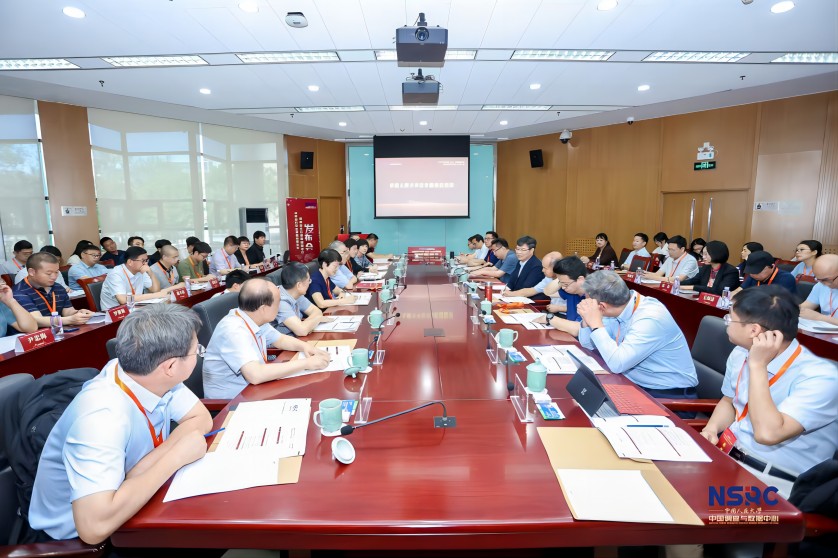
Other attendees included Lai Jianming, Deputy Director of the China Statistics Information Service Center (Public Opinion Survey Center of the National Bureau of Statistics); Xu Xiaohai, President of the China Marketing Research Association; Ding Hua, Deputy Director of the Institute of Social Science Survey at Peking University; and He Lirui, Executive Director of the Social Survey Center at Jinan University, along with experts, scholars, survey practitioners, and researchers from across the country. RUC Executive Vice President Zhu Xinkai presided over the opening ceremony.
President Lin Shangli emphasized that survey research is fundamental to understanding and solving societal issues. In the context of rapid social change and technological advancement, academic survey research faces both new opportunities and challenges. He stressed the need to pursue depth, precision, rigor, and effectiveness—rooting research in grassroots realities, strengthening methodological foundations, and enhancing the impact and contribution of social surveys. Lin expressed RUC’s commitment to working with partners nationwide to promote interdisciplinary integration, strengthen data development and utilization, and jointly advance social survey research and national governance modernization.
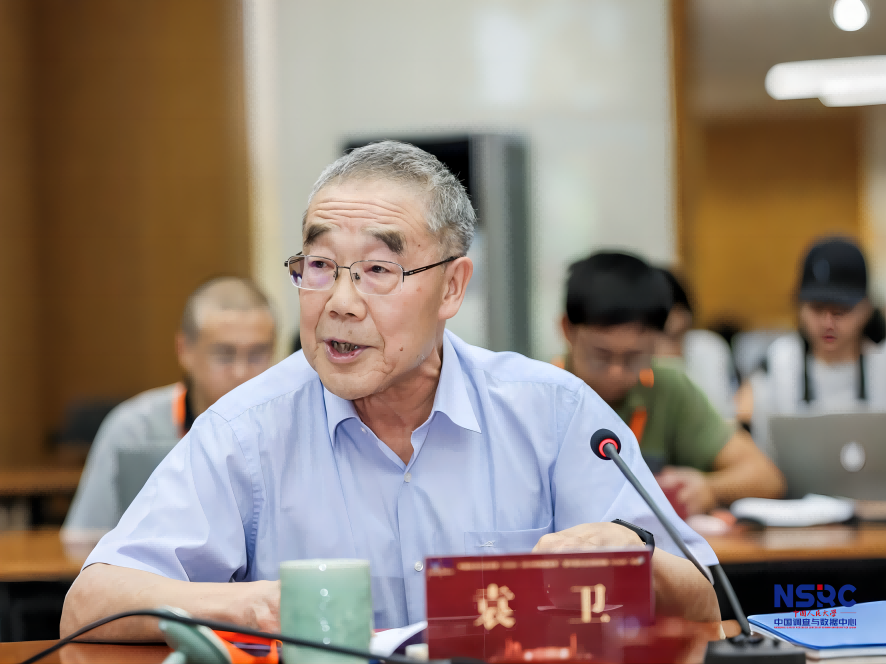
Professor Yuan Wei reviewed the origin and development of CGSS, which started in 2003. The survey’s 20-year trajectory has paralleled major advances in China’s social science research. He noted that CGSS is not only a vital component of China’s academic survey infrastructure but also an important part of international survey collaboration. He called for continued support from all sectors to push CGSS to new heights.
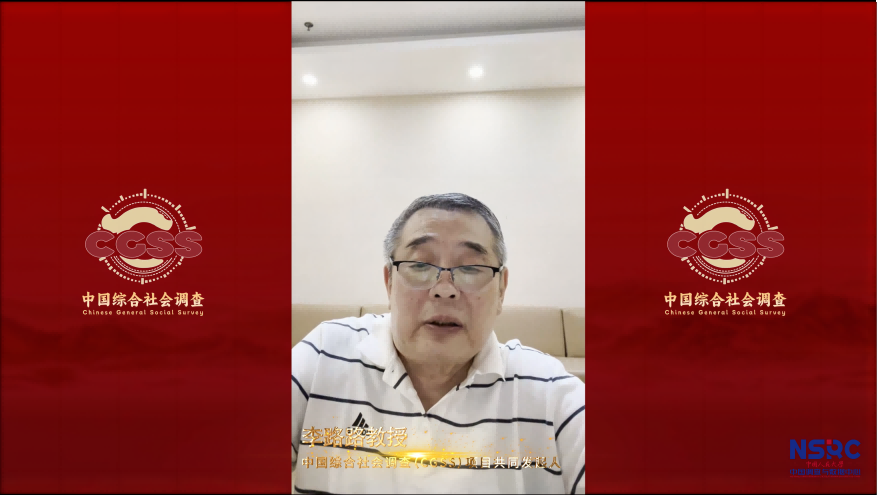
During the data release session, CGSS co-founder and National First-Class Professor Li Lulu highlighted that CGSS has systematically documented 20 years of social transformation in China through rigorous, continuous data collection, generating a large body of high-quality research. Going forward, she emphasized the need to use scientific theory to guide survey design and uncover new trends in Chinese-style modernization.
NSRC Deputy Director Wu Yilin introduced the background and significance of CGSS, noting that its more than 20 years of accumulated data have become an indispensable resource for scholars worldwide, and its commitment to open data sharing has significantly propelled academic research.
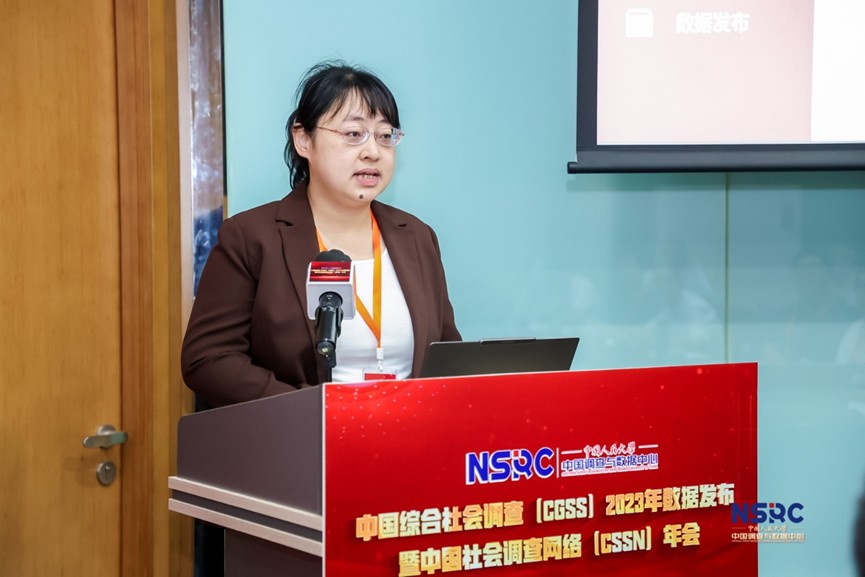
NSRC Deputy Director Jiang Yan officially released the CGSS 2023 dataset. The 2023 survey innovatively adopted a dual-track data collection system by combining traditional face-to-face probability sampling with telephone interviewing, significantly expanding coverage and improving data quality. After six months of rigorous fieldwork, a total of 11,326 valid questionnaires were collected, covering over 400 variables related to education, economy, behavior, and attitudes. The 2023 survey also featured a “Ten-Year Retrospective” module and an East Asian Social Survey (EASS) social network component, enriching both temporal and comparative dimensions of research.
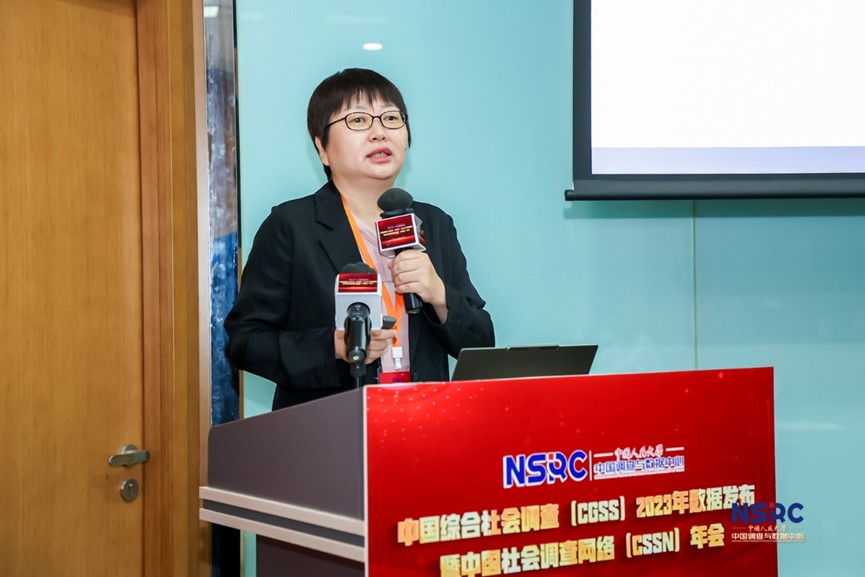
Professor Zhao Yandong, Chief Expert at the Beijing Social Construction Research Base, presented key findings from CGSS 2023. The data show notable improvements in income, healthcare access, and other social indicators, while highlighting emerging challenges such as social stratification and the impact of digitalization on daily life.
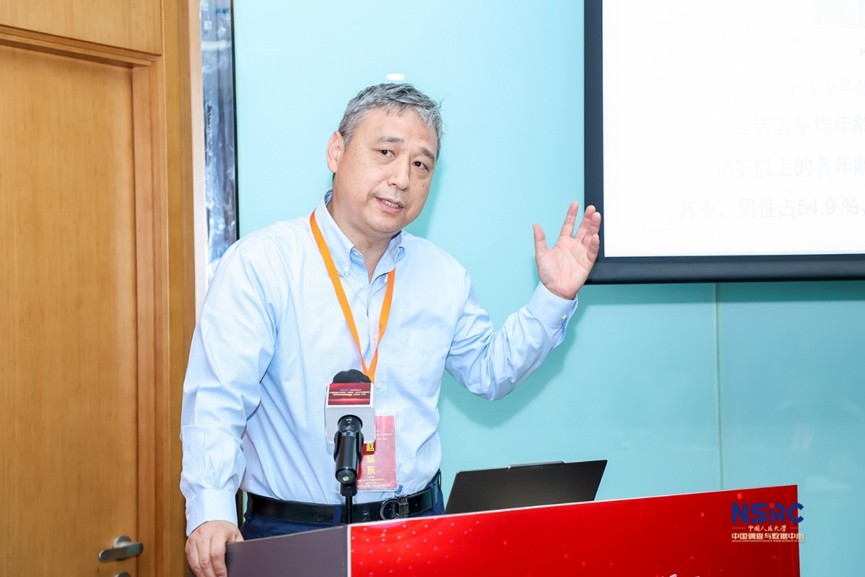
NSRC Director Wang Xiaojun chaired the data release session.
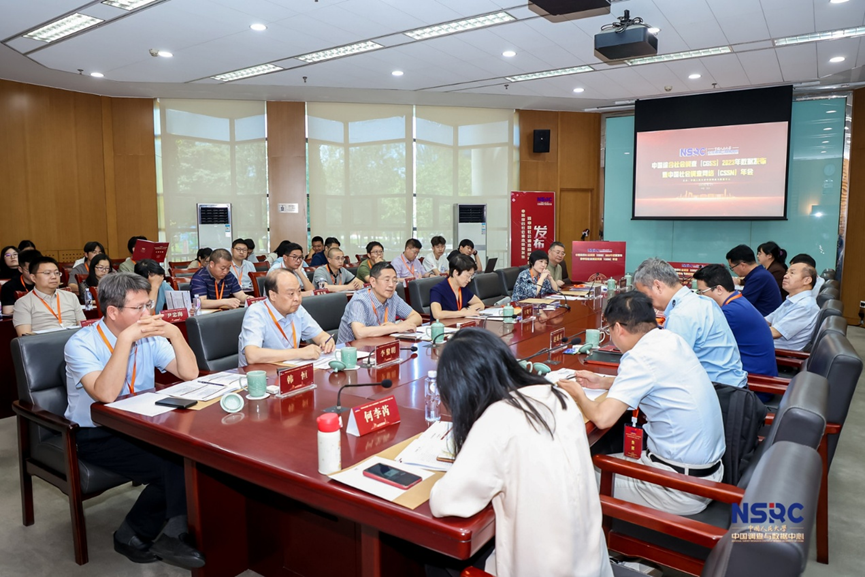
In the Roundtable on the Future of Social Surveys in China, experts including Ding Hua, He Lirui, and Zhu Bin discussed methodological innovation, data quality control, and multimodal survey technologies. Participants agreed that in the digital age, traditional surveys face both new opportunities and pressing challenges, and that deeper collaboration between academia and industry is needed to drive methodological and technological innovation.
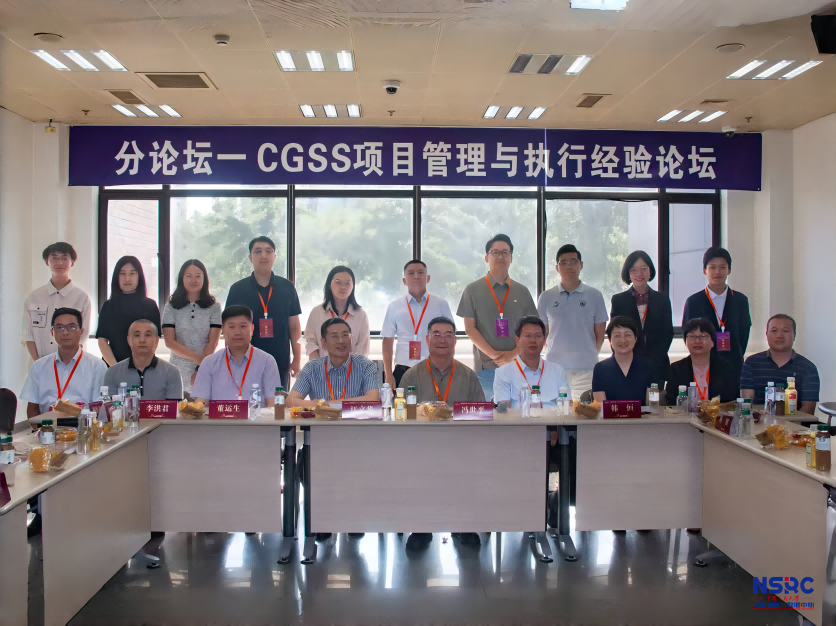
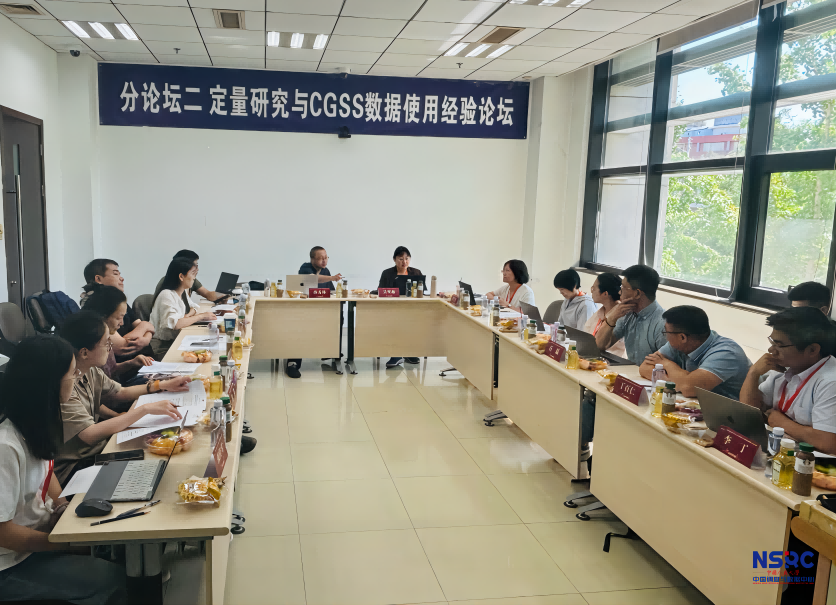
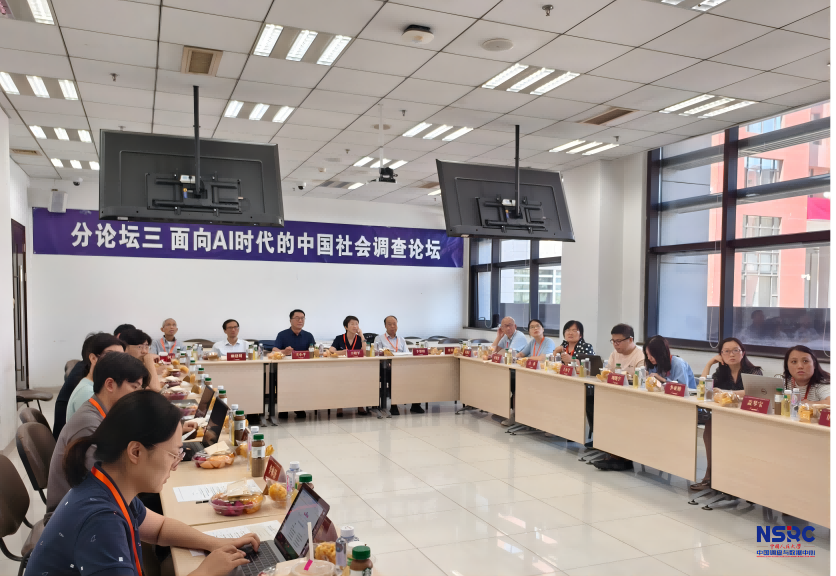
In the afternoon, three parallel forums were held on:
•CGSS project management and fieldwork experience
•Quantitative research and applications of CGSS data
•Social survey research in the AI era
Since its inception in 2003, the China General Social Survey—China’s longest-running and most influential academic social survey—has remained committed to “grounding research in China, studying Chinese issues, summarizing China’s experiences, and telling China’s stories.” CGSS has conducted 14 national surveys, covering 325 districts and counties and over 150,000 households. It has generated 4,787 Chinese journal articles, 1,157 international English journal articles, and 58 Chinese books, establishing itself as a key platform for collecting public opinion and a crowdsourcing mechanism for capturing citizens’ views to inform public policy.